President Donald Trump announced Sunday that American forces intercepted and seized an Iranian cargo vessel attempting to breach a naval blockade in the Gulf of Oman, throwing cold water on hopes that tensions with Iran might soon ease. The dramatic escalation comes just hours after Tehran withdrew from scheduled peace negotiations.
Naval Confrontation in Strategic Waters
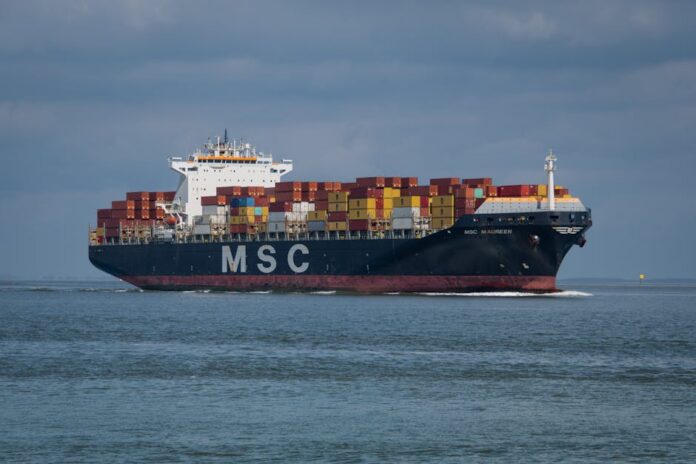
The USS Spruance intercepted the Iranian-flagged cargo ship Touska as it attempted to pass through the American naval blockade of Iranian ports. U.S. Marines now have custody of the vessel, Trump confirmed in a Truth Social post. The seizure marks a sharp reversal from Friday’s optimism, when the S&P 500 climbed above 7,100 for the first time after Iran reopened the Strait of Hormuz to commercial traffic.
Iranian state media reported Sunday that Tehran would not participate in a second round of peace talks, contradicting Trump’s earlier announcement that U.S. representatives would return to Pakistan for continued negotiations. By Saturday, Iran had again closed the critical shipping route, citing the American naval blockade as justification. The Strait of Hormuz handles roughly one-fifth of global oil traffic, making any disruption significant for energy markets worldwide.
Market Impact and Economic Concerns
Oil prices climbed Monday morning as traders assessed the potential for renewed conflict in the Middle East. Stock futures fell across major indexes, reversing last week’s gains driven by hopes for regional stability. Energy Secretary Chris Wright warned that gasoline prices could remain above three dollars per gallon until next year, adding pressure on American consumers already dealing with elevated costs. The seizure raises questions about supply chain stability and energy security at a time when markets had begun pricing in de-escalation.
Federal Reserve Leadership in Focus
The Iran situation unfolds as Kevin Warsh, Trump’s nominee for Federal Reserve chair, prepares for his Senate confirmation hearing Tuesday. Warsh will likely face questions about his extensive ties to Silicon Valley technology leaders and how those relationships might influence monetary policy decisions. His background includes connections to major tech figures, raising concerns among some lawmakers about potential conflicts of interest in managing the nation’s economy during a period of geopolitical uncertainty and market volatility.