
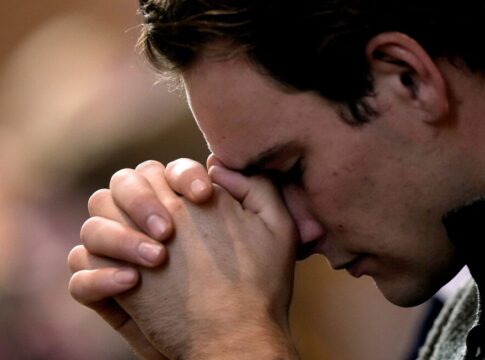
A dramatic shift in American religious life shows young men now outpacing young women in church attendance and religious devotion for the first time in modern polling history, according to new Gallup data that could reshape how future generations practice faith.
Historic Gender Reversal in Religious Practice
Gallup’s latest research reveals 42% of men ages 18-29 now say religion is very important to them, up sharply from 28% in 2022-2023. Young women’s religious attachment remained steady at around 30% over the same period. This marks the first time since Gallup began tracking this measure in 2000 that young men have surpassed women by a significant margin. The gender gap reversal appears only among adults under 30, as women 30 and older continue to report higher religiosity than their male counterparts.
Political Divide Drives Religious Growth
The increase in young men’s faith commitment concentrates heavily among Republicans. Since 2022-2023, religious attendance has climbed among Republican men and women under 30, while Democratic attendance has largely declined. Young Republican men who attend weekly services have been rising since 2019. Among young women, only about one-quarter of Democrats now attend church monthly, compared to roughly six in 10 Republican women. Ryan Burge, a political scientist at Washington University in St. Louis and longtime American Baptist pastor, called the development a seismic change in American society and the future of organized religion.
Why Young Men Are Choosing Church
Burge suggests young men increasingly view religious spaces as welcoming environments in a culture where other institutions seem less interested in them. American religion remains predominantly led by white men, creating spaces where young men feel elevated and valued. This stands in contrast to young women, who increasingly perceive religious institutions as patriarchal, particularly on issues like abortion. The trend could significantly impact how children are raised if more fathers than mothers prioritize religious upbringing, potentially altering America’s religious landscape for decades.
Broader Moral Divides Emerging
Other surveys show young men and women diverging on key moral questions beyond religious practice. While attitudes on divorce remain similar across age groups and genders, young women show notably lower rates of viewing abortion as morally wrong compared to other demographics. The widening gap between young men and women on faith and values could create lasting divisions in American family formation and cultural attitudes as this generation ages into positions of greater influence.