
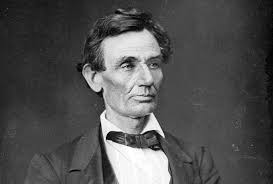
On April 14, 1865, President Abraham Lincoln was assassinated by John Wilkes Booth at Ford’s Theatre in Washington, D.C., just five days after the Civil War effectively ended. This pivotal moment in American history marked the first presidential assassination and fundamentally altered the nation’s path during its most critical period of reunification.
The Actor Who Changed History
John Wilkes Booth, born in Maryland in 1838, came from a distinguished family of actors and made his theatrical debut in 1855 performing Shakespeare’s Richard III in Baltimore. Despite harboring Confederate sympathies, Booth remained in the North throughout the Civil War, building a successful acting career while secretly plotting against the President. His initial plan involved kidnapping Lincoln and transporting him to Richmond, the Confederate capital, though this scheme failed to materialize on its planned date of March 20, 1865.
Fatal Night at Ford’s Theatre
The assassination occurred just days after Confederate General Robert E. Lee surrendered his army at Appomattox Court House, Virginia. Booth, a well-known actor with easy access to theaters, exploited his familiarity with Ford’s Theatre to execute his deadly plan. The attack on Lincoln represented more than the murder of a president; it struck at the heart of American democracy during its most vulnerable moment, as the nation attempted to heal from four years of devastating civil conflict.
Constitutional Crisis and National Mourning
The assassination tested the strength of American constitutional governance, as the nation faced an unprecedented crisis with Lincoln’s death. His funeral became a moment of national unity, as Americans from all regions mourned the leader who preserved the Union and ended slavery. The event reinforced the importance of constitutional succession and the peaceful transfer of power, principles that remain fundamental to American government. Booth’s capture and death soon followed, but the impact of his actions resonated through Reconstruction and continues to shape American historical consciousness.